




ARICOL ELECTRICALS • UAE SAFETY AWARENESS
DRY WEATHER, HIDDEN MOISTURE
How humidity and condensation can enter outdoor electrical systems in the UAE
OUTDOOR & WEATHERPROOF ELECTRICALS • 8-minute read • General UAE Awareness
KEY TAKEAWAY
An electrical enclosure can remain dry outside while humid air and condensation travel through conduits or collect at poorly sealed entries. In the UAE, ‘no rain’ does not automatically mean ‘no water-ingress risk.’
The Uae-Specific Risk
Hot outdoor air, cooled indoor spaces, temperature cycling and humid air can create condensation. Open conduit ends, gaps, cracks, poorly sealed outdoor accessories and direct conduit routes can provide a path toward junction boxes or distribution boards. The problem may develop slowly and out of sight.
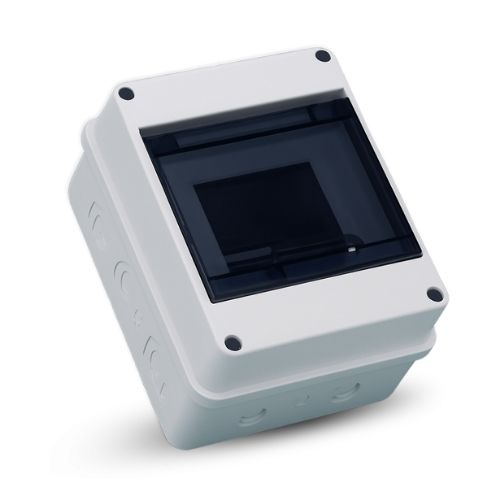
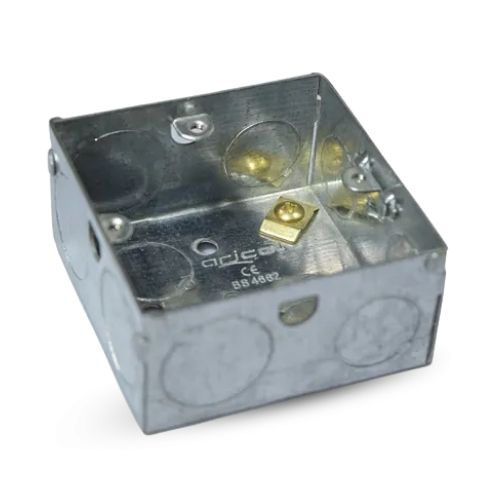
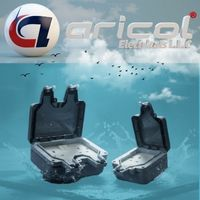
DEWA’s 2024 circular on preventing water entry identifies open or unsealed conduit ends, enclosure gaps, warm humid air and temperature change among relevant causes. For Dubai project installations under DEWA’s scope, the circular specifies IP65 weatherproof boxes, fittings and accessories for outdoor use, sealing conduits at both ends, downward U-bends on exposed ends, avoiding direct outdoor conduit termination to a distribution board, and using junction boxes with suitable drain provision.
Why An Ip Label Is Not The Whole Solution
An IP rating describes enclosure protection under defined test conditions. It does not correct a missing gasket, wrong gland, damaged lid, unsealed conduit, unsuitable cable entry, poor mounting orientation or a route that channels water toward the enclosure. The completed installation—not only the box—must maintain the intended protection.
Product selection must also consider ultraviolet exposure, heat, corrosion, mechanical impact, maintenance access and compatibility between the enclosure, gland, conduit, cable and sealing method. Requirements outside DEWA’s Dubai scope may differ, so the competent designer or contractor must verify the applicable authority and project specification.
Places That Deserve Focused Inspection
Rooftop equipment, façades, landscape lighting, parking areas, pump and water-heater circuits, external isolators, outdoor sockets, irrigation zones, service balconies, wash-down areas, basement entries and any conduit crossing between conditioned and unconditioned spaces can be vulnerable.
Also inspect after façade work, waterproofing, landscaping, pressure washing, leakage or condensation complaints. A new penetration or cable route can change a previously safe drainage and sealing condition.
Warning Signs
Water droplets, misting or staining inside or around a cover; corrosion; green or white deposits; brittle gaskets; cracked boxes; loose glands; damp conduit; repeated tripping after humid conditions or cleaning; flickering outdoor lights; and unexplained insulation-test deterioration all require professional investigation.
Do not open a wet enclosure or touch nearby metalwork. Keep people away, stop water exposure when this can be done without approaching the electrical equipment, and follow the site’s safe isolation and emergency process.
Features Of A Robust Outdoor Installation
- Enclosures, fittings, isolators and accessories with the required weatherproof construction and documented rating.
- Compatible glands, gaskets, seals and conduit systems installed in the tested orientation.
- Sealed conduit ends and routes that discourage water or moist air from travelling toward critical equipment.
- Downward bends, drain provisions and intermediate junction arrangements where required by the governing design.
- Corrosion-resistant fixings, mechanical protection and safe access for inspection.
- A maintenance record that tracks seals, covers, cleaning, leakage events and test results.
Benefits And Advantages
- Lower likelihood of insulation breakdown, corrosion and nuisance tripping.
- Better reliability of outdoor lighting, pumps, isolators and controls.
- Reduced chance that moisture migrates toward a distribution board.
- More effective inspection because vulnerable routes are documented.
- Longer service life when products and installation details suit the UAE environment.
ARICOL SAFETY INSIGHT — TRACE THE PATH, NOT ONLY THE PUDDLE
The moisture seen at one box may have entered somewhere else and travelled through a conduit. Replacing only the wet accessory can leave the source untouched. A competent investigation follows the route, checks temperature transitions and penetrations, and verifies sealing and drainage across the complete system.
QUALITY ABOVE ALL
Select responsibly. Install professionally. Maintain deliberately.
Official and Company References
Always verify the latest version and the authority applicable to the property or project.
- Aricol Electricals — Aricol product categories
- DEWA — Specific requirements for preventing water entry into DBs, conduits, junction boxes and electrical accessories (2024)
- DEWA — Dubai Building Code incorporating DEWA Regulations for Electrical Installations
- Ministry of Industry and Advanced Technology — UAE conformity certificates for regulated products
IMPORTANT UAE AWARENESS NOTE
This article is provided by Aricol Electricals L.L.C. for general public awareness only. It is not a substitute for project-specific design, inspection, testing, installation, maintenance, legal advice or approval by DEWA, the Abu Dhabi Department of Energy, Dubai Municipality, Dubai Civil Defence, MoIAT or any other competent UAE authority. Requirements vary by emirate, building type, occupancy, product and installation. Electrical work must be carried out by appropriately licensed or approved competent professionals using products suitable for the application and compliant with current UAE requirements and manufacturer instructions. If an electrical emergency is suspected, keep people away, isolate power only when it is safe to do so, and contact the relevant emergency, utility or building management service. Regulations and technical requirements can change; verify the latest official requirements before acting.