










ARICOL ELECTRICALS • UAE SAFETY AWARENESS
KNOW YOUR WIRING
When UAE homes and workplaces should inspect—or replace—electrical cables.
Electrical Cables • 8-minute read • General UAE Awareness
Key Takeaways
Electrical cables do not carry a universal expiry date. Their safe service life depends on design, load, installation quality, heat, moisture, physical damage and maintenance. The safest policy is scheduled professional inspection plus condition-based replacement—not waiting for smoke, heat or repeated tripping.
Why This Matters in the UAE
UAE buildings operate in demanding conditions. High ambient temperatures, rooftop and façade exposure, dense service spaces, air-conditioning condensate, renovations and growing appliance loads can all affect an electrical installation. A cable selected and installed correctly may provide long service, while a poorly terminated, undersized, damaged or wet cable can become unsafe much sooner.
Cable safety is an asset-management task, not a one-time purchase. Product quality begins the safety chain, but correct design, licensed installation, testing, suitable protective devices and planned maintenance complete it.

There Is No Responsible One-Number Replacement Rule
A statement such as “replace every ten years” may sound reassuring, but it can be misleading. Cable type, conductor size, insulation system, installation method, circuit loading, protective-device coordination and environmental exposure all change the outcome. A newer cable can require replacement after water entry or mechanical damage; an older installation may remain serviceable after a competent inspection and test.
Follow the inspection frequency required by the applicable authority, building classification, owner’s maintenance plan, insurer, manufacturer or competent professional. Replacement should follow evidence: failed tests, unsafe material condition, unsuitable capacity, damaged containment, non-compliant alterations or a documented change in use or load.
Warning Signs That Require Prompt Attention
- Repeated breaker or RCD operation.
- Flickering lights when equipment starts.
- Warm, loose, distorted or discoloured switches and sockets.
- Burning or fish-like odours, crackling or unexplained buzzing.
- Unexplained local power loss or repeated failure on the same circuit.
- Damaged insulation, exposed conductors or signs of water and condensation.
Arrange an assessment after flooding or major leakage, before or after a substantial renovation, when adding high-load equipment, when converting a property’s use, or when records of the original installation are incomplete. Occupants should report symptoms to the landlord or building management rather than opening panels or attempting repairs.
What a Competent Inspection May Include
The scope is decided by the licensed professional and applicable rules. It may include a review of circuit records and loads; visual inspection of accessible cable routes and containment; checks on conductor sizing, terminations, earthing and protective devices; and suitable electrical tests such as continuity and insulation resistance. Thermal imaging may support a controlled investigation, but it does not replace electrical testing or design verification.
A useful report separates immediate danger, urgent remedial work, recommended improvements and items that remain serviceable. Managed properties should retain circuit schedules, test records, alteration history and incident reports.
Product Features Worth Specifying
- UAE conformity evidence where the product is regulated.
- Compatible terminals, glands, connectors, trunking and protective devices.
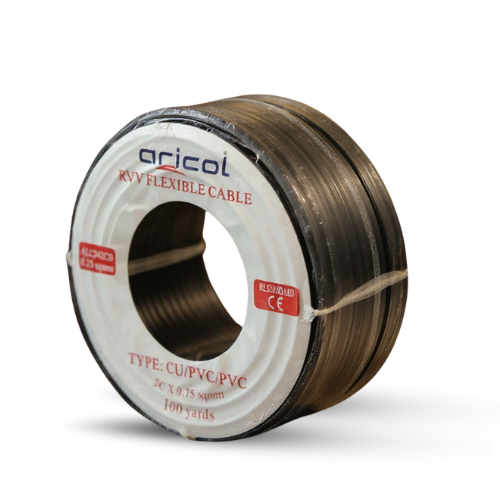
- Clear, traceable product identification supported by responsible documentation.
- Correct conductor material and cross-sectional area for the designed load and installation method.
- Insulation and sheath suitable for voltage, heat, environment, fire-performance requirements and containment.
Benefits of a Condition-Based Cable Policy
- Improved protection of people, property and critical operations.
- Fewer reactive failures and more predictable maintenance planning.
- Clearer records for landlords, facilities teams, insurers and future alterations.
- Better coordination between present loads, cable capacity and protective devices.
- Reduced likelihood of overheating, insulation breakdown and unexpected loss of supply.
ARICOL SAFETY INSIGHT
Never Silence the Warning
A breaker that repeatedly trips may be reporting a fault or overload. Replacing it with a larger breaker simply to stop the tripping can remove protection from a cable that was never designed for the higher current. The circuit, load, cable and protective device must be assessed together by a competent professional.
Safe Next Steps
- Do not touch, tape over or re-energise visibly damaged wiring.
- Record when the symptom occurs and which equipment was operating.
- Keep the affected area clear and follow the building’s emergency process.
- Arrange inspection through an appropriately licensed electrical contractor.
- Approve replacement against a documented specification—not appearance or price alone.
QUALITY ABOVE ALL
Select responsibly. Install professionally. Maintain deliberately.
Official and Company References
Always verify the latest version and the authority applicable to the property or project.
Important UAE Awareness Note
This article is provided by Aricol Electricals L.L.C. for general public awareness only. It is not a substitute for project-specific design, inspection, testing, installation, maintenance, legal advice or approval by DEWA, the Abu Dhabi Department of Energy, Dubai Municipality, Dubai Civil Defence, MoIAT or any other competent UAE authority. Requirements vary by emirate, building type, occupancy, product and installation. Electrical work must be carried out by appropriately licensed or approved competent professionals using products suitable for the application and compliant with current UAE requirements and manufacturer instructions. If an electrical emergency is suspected, keep people away, isolate power only when safe to do so, and contact the relevant emergency, utility or building-management service. Regulations can change; verify the latest official requirements before acting.